10.000 Steps vs. Power Walking: Which one is BETTER?
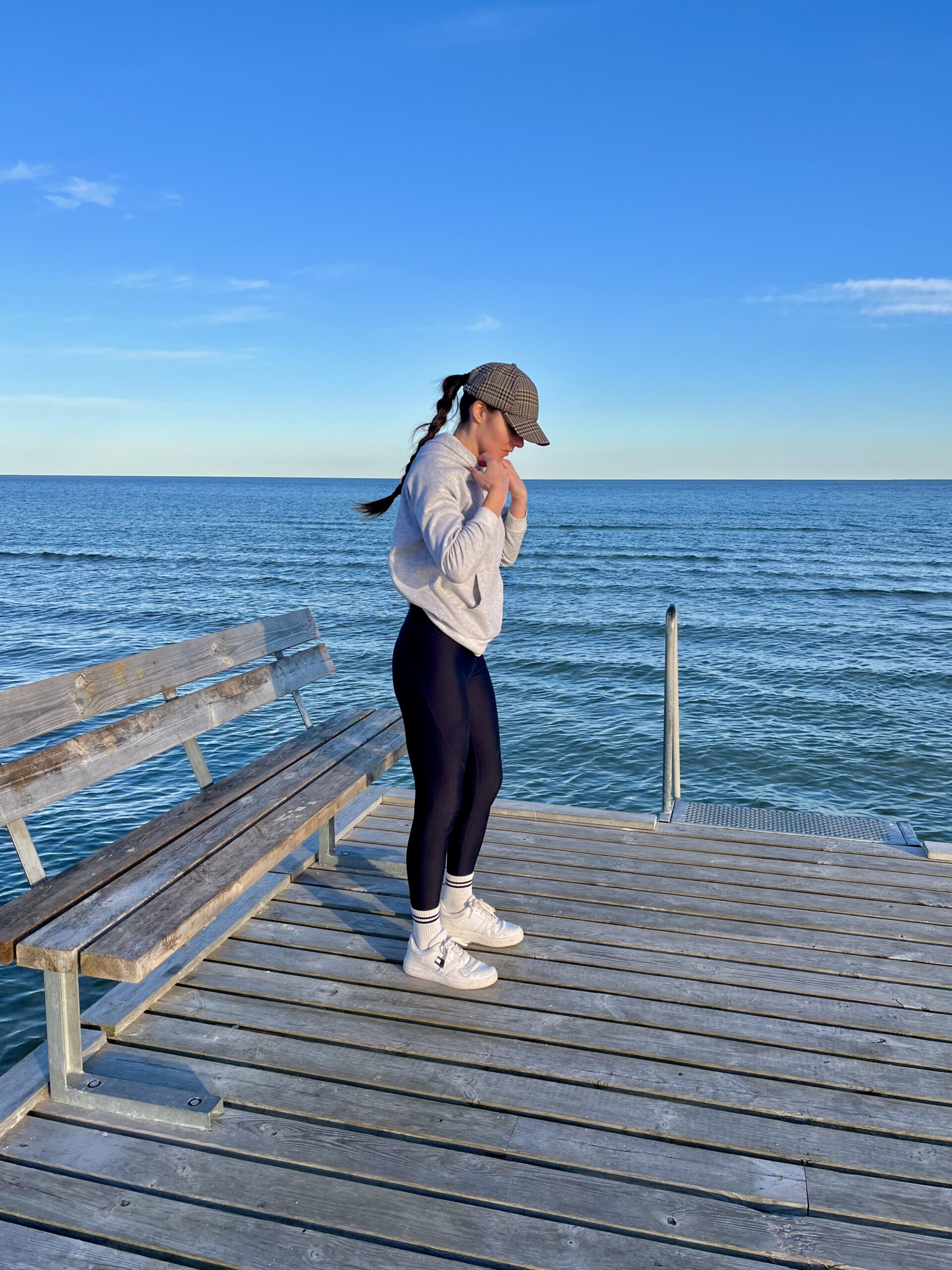
Harder isn’t always better. More people are shifting focus from “go hard or go home” and recognizing the benefits of slow-impact exercises and slow living in a long-term pursuit of longevity. I found myself, too, in the middle of these two different mindsets about exercise.
During the pandemic, many of us jumped on the bandwagon of walking to combat pandemic anxiety. As for me, the routine of walking kind of stuck with me after the pandemic ended. The walking itself did not change my body composition. Nor did I gain any muscles or lose a radical amount of weight. But I gained so much more than that.
In the past three years, I’ve stayed committed to this simple and free exercise: walking. Recently, to squeeze the most benefits from walking, I focused on increasing my daily step count from an average 5,000 to 7,000 or shifting to a power walk whenever possible.
I somehow managed to build a daily habit without even trying hard (because that’s how simple and practical this movement is) and now I can’t imagine my day if I didn’t include at least one of the following:
- Minimum of 20 minutes of power walking
- Minimum of 30 minutes of slow walking after dinner
- Minimum of 5,000 steps (if I don’t have time to walk). It is possible to make 5,000 steps just by daily commuting to work, shopping, and running errands. As long as you don’t sit on the sofa or at your desk, it is possible to reach 4,000–5,000 steps without trying hard.

Benefits of Walking and Powerwalking
Whether just walking or power walking, I can feel the benefits as long as I hit the daily step count (5000). To be honest, definitely where there is an effort, there is results. So when you speed up to a power walk, you can actually feel it the next day if done properly.
Regardless of time, intensity and technique of the walking, but done consistently every day, these are the benefits I have experiences so far:
- Improved digestion – try once and thank me later. Walking 10-20 minutes right after the dinner does wonders for me. I feel the digestion is activated, gasses released and sleep imrpoved.
- Stronger posture – as said, when walking correctly, I can definitely feel my correct posture holds longer naturally.
- Leaner tights and glutes – especially with the power walk, which can shape the legs leaner and feel that the the muscles have been trained.
- Mental detox and clarity – Whether I feel stressed or tense, the quite walk (without a music or podcast) does its magic. I feel calmer and lighter of all the thoughts collected throught the day.
- Reconnecting with the nature – whether it is walks on the beach, woods or the city. If you focus on observing the buildings, sky, treas – that’s when the “mental detox” from all the thoughts happens. Just by simply focusing on the present surroundings and moments. So you don’t need to try hard, this calming effect of walking occurs naturally.
What does science says?
We’ve all heard the magic number: 10,000 steps a day. But what if you can’t always hit that goal? Good news! A new, large study reveals that even fewer steps can significantly boost your health, and that how you walk matters just as much as how many steps you take.
Researchers discovered that for every 2,000 steps you take, your risk of premature death drops by 8% to 11%. That’s right, even small increases in your daily steps can make a big difference! Plus, the study found a strong link between daily step count and a reduced risk of serious health issues like dementia, heart disease, and cancer.
“10,000 steps has been a popular target for years,” says Prof. Emmanuel Stamatakis, a senior author of the study. “But until now, we haven’t had much solid evidence to back up its specific health benefits.” This new research changes that.
What’s even more encouraging? According to Professor Paul Arciero, who wasn’t involved in the study, “Simply increasing your step count beyond a minimal starting point, even 1,000 steps a day, is beneficial.” This is fantastic news for anyone who finds 10,000 steps daunting!
Power Up Your Walk:
But it’s not just about the number of steps. The study also highlights the benefits of power walking. Picking up your pace can amplify the positive effects of your walk, making even fewer steps more impactful.
Key Takeaways:
- A large new study investigates the health effects of walking 10,000 steps a day or less.
- The researchers found that the risk of premature death decreases with every 2,000 steps people take.
- They also found a correlation between the number of daily steps and a reduced risk of developing dementia, heart disease, and cancer.
- Power-walking also adds additional benefits and can make fewer steps count significantly more.
This study, published in JAMA Internal Medicine, provides valuable insights into the power of walking. So, whether you’re aiming for 10,000 steps or simply looking to increase your daily activity, remember that every step counts!
Benefits of Power walking
“Stepping up the pace during walking may be as important as the total number of steps people do,” pointed out Prof. Stamatakis.
The study discovered that power walking offers an additional reduction of risk for the same health conditions that walking helps prevent.
“People who cannot fit 10,000 steps in their daily routine could try 1–2 minute-long bursts of very fast or maximal pace during any normal walk from point A to B. Such bursts, repeated a few times daily, could potentially improve fitness and lower the risk of the long-term health outcomes we examined in our study.”
— Prof. Emmanuel Stamatakis
“This is great news for those with time constraints,” said Prof. Arciero.
The ‘sweet spot’ of daily steps
The study confirmed that for optimal health benefits, “the ‘sweet spot’ is at or very close to 10,000 steps,” said Prof. Stamatakis.
“Generally speaking, the more daily steps the better, and long term-benefits start from relatively low levels, e.g., around 4,000 steps a day.”
The authors found that while 9,800 daily steps could reduce dementia by 50%, just 3,800 steps a day could lower dementia risk by 25%.
Walking towards better health
As Prof. del Pozo Cruz concluded that it was “important to stress the idea that every step counts and that benefits of walking start with the very first step.”
I can only recommend incorporating a a goal of hitting daily minimum steps count or planned morning/evening 30 minutes of walks to start with. Commit to it for 2-3 weeks and see the benefits for yourself. Conscious daily walking is a the mast natural movement a huma body can do whether you are 20, 40 or 70. The sooner you start the longer you can enjoy the benefits of it.
x.o.x.o Tina